

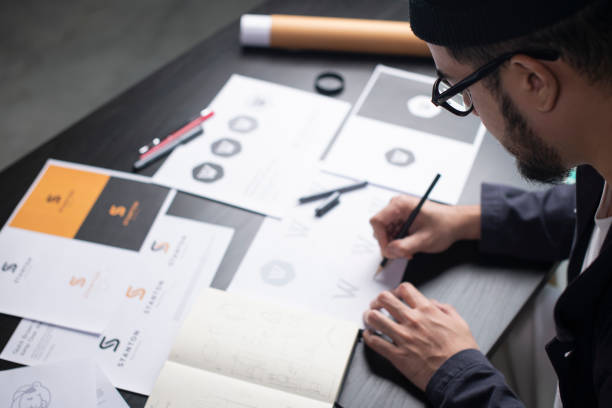
Turning a Business Idea Into a Brand People Remember
Starting a business is an exciting step, but turning an idea into a brand that people recognise and trust takes careful planning. You may have a promising product, a useful service, or a fresh solution to a common problem. However, customers still need a reason to notice your business, understand what makes it different, and feel confident choosing it over other options.
This is particularly important for entrepreneurs entering Dubai's diverse and competitive business environment. From technology startups and professional services to hospitality, retail, wellness, and ecommerce, businesses need to communicate their value clearly from the beginning.
That is where branding becomes essential.
Branding is much more than choosing a name, designing a logo, or selecting attractive colours. It brings together your business purpose, customer experience, messaging, and visual identity to create a consistent impression. When these elements work together, your startup becomes easier to understand, recognise, and remember.
Working with a branding agency for startups in Dubai can help you build this foundation before investing heavily in marketing. Instead of making disconnected design decisions, you can develop a clear identity that reflects your business goals and supports future growth.
In this guide, we explore how startups can approach branding strategically, which elements matter most, and how to build a recognisable brand from the earliest stages of a business.
1. Why Branding Matters for Startups in Dubai
When launching a startup, it is natural to focus on product development, business registration, pricing, operations, and acquiring the first customers. Branding can sometimes feel like something to address later.
However, customers often form an impression of a business before speaking with its founder or trying its product. They might discover it through a website, social media profile, online advertisement, business presentation, or recommendation.
If the brand looks inconsistent or fails to explain what the business offers, potential customers may struggle to understand its value.
A well-developed brand helps address this challenge in several ways.
Builds trust from the beginning
New businesses do not always have an established reputation, years of customer reviews, or a large portfolio of completed projects. A clear and professional brand helps communicate that the business understands its audience and takes its offering seriously.
Branding cannot replace product quality or good customer service, but it can make the first interaction feel more credible.
Helps your business stand apart
Dubai attracts businesses serving a wide range of customers and industries. Competing only on price can make it difficult for a startup to establish a distinctive position.
A thoughtful brand communicates what makes your business different, whether that is specialised expertise, a more convenient service, a premium experience, or a different approach to solving a customer problem.
Creates a consistent customer experience
Customers may encounter your brand across several platforms before making a decision. Consistent messaging, design, and tone help them connect those interactions with the same business.
This consistency also makes it easier for employees, designers, marketing partners, and suppliers to represent your business correctly.
2. Start With Brand Strategy Before Designing a Logo
One of the most common branding mistakes is beginning with visual design before understanding what the brand needs to communicate.
A logo might look appealing, but if it does not reflect the business's positioning or connect with its intended audience, it may not serve a useful purpose.
A strong brand begins with strategy.
Define your business purpose
Start by answering a few straightforward questions:
- What problem does your business solve?
- Why did you decide to create it?
- What value do you want customers to receive?
- What do you want your business to become over the next few years?
Your answers help establish the foundation of your brand. They also guide decisions about messaging, visual identity, marketing, and customer experience.
Understand your target audience
Not every customer is the right customer for your startup. Trying to appeal to everyone can make your brand message vague and difficult to remember.
Consider your ideal customers' needs, preferences, expectations, and reasons for choosing one provider over another. A startup selling business software, for example, may need to communicate efficiency, reliability, and expertise. A boutique food brand may focus more on quality, personality, and the experience associated with its products.
For businesses targeting Dubai, audience research should reflect the specific industry and customer groups they want to reach. The city's diverse population means that language preferences, purchasing behaviour, cultural expectations, and service requirements can vary considerably.
Establish your market position
Brand positioning explains why customers should choose your business instead of an alternative.
Identify the strengths you can genuinely deliver and the areas where your competitors may not be meeting customer expectations. Your positioning should be specific enough to distinguish your startup without making promises you cannot support.
A clear strategy gives the creative process direction and helps ensure that the final brand represents the business rather than simply following a design trend.
3. Develop a Distinctive Brand Identity
Once the strategy is clear, the next step is to translate it into a visual and verbal identity.
A brand identity is the collection of elements that allows people to recognise your business and understand its personality. It should feel appropriate for your audience, work across different platforms, and remain useful as your startup develops.
Logo design and visual elements
Your logo is an important part of your identity, but it should not be expected to communicate everything about your business on its own.
A complete visual identity may include:
- Primary and secondary logo variations.
- A consistent colour palette.
- Typography for headings and body text.
- Graphic elements, patterns, or illustrations.
- Photography and image direction.
- Design rules for digital and printed materials.
These elements should work together rather than being designed as separate pieces.
A logo must also remain legible and recognisable across different sizes, from a website header and mobile screen to packaging, stationery, and signage.
Brand voice and messaging
Your brand communicates through words as well as visuals. The language used on your website, social media, presentations, advertisements, and customer communications should reflect the same personality.
Decide whether your brand should sound knowledgeable, approachable, energetic, refined, or reassuring. The appropriate tone depends on the audience and the promise your business makes.
Clear messaging should explain what you offer, whom you help, and why your solution matters. Avoid relying on vague statements that could describe almost any company.
For startups that plan to serve customers across different parts of the UAE, it is also worth considering whether communications need to work in English, Arabic, or both.
Create brand guidelines
Brand guidelines document how the identity should be used. They can include logo placement, colour specifications, typography, imagery, tone of voice, and examples of correct application.
These guidelines become particularly useful when your startup begins working with multiple designers, marketing teams, printers, or external partners.
A consistent identity saves time, reduces confusion, and helps your business maintain a recognisable appearance as the number of marketing materials increases.
4. Choose the Right Branding Partner for Your Startup
Building a brand internally can work well when you have the necessary expertise and time. However, many founders are balancing several responsibilities and may benefit from professional strategic and creative support.
Choosing a branding agency for startups in Dubai should involve more than comparing logo samples or selecting the lowest quotation.
Look for a partner that understands both the creative and commercial sides of branding.
Review the agency's process
Ask how the agency approaches research, positioning, identity development, feedback, and final delivery. A structured process helps ensure that design decisions are based on your business objectives rather than personal preferences alone.
You should understand what the project includes, what information the agency needs from you, how revisions work, and which files and guidelines you will receive.
Look for relevant experience
Review the agency's portfolio to understand its design quality, range of work, and ability to create distinct identities for different businesses.
Look beyond whether you like a particular logo. Consider whether the work appears suited to its audience, whether the visual systems are consistent, and whether the agency can explain the thinking behind its decisions.
You can explore Quilldraws' creative work and brand projects to understand its approach to brand identity and creative execution.
Consider the complete scope of support
Some startups need a focused identity project, while others require support across strategy, website design, packaging, campaign visuals, and social media.
A branding agency for small businesses in Dubai should be able to discuss what is essential now and what can be introduced later. The right scope depends on your business model, launch plans, resources, and growth priorities.
A clear project scope is more useful than purchasing services you do not yet need.
5. Build Your Brand Around Your Budget and Business Stage
Startups rarely have unlimited resources. Founders need to make practical decisions about where to invest while keeping the business financially sustainable.
The answer is not to ignore branding or to spend the entire launch budget on it. Instead, prioritise the assets that will have the greatest immediate value.
Focus on essential brand assets first
For many startups, the initial branding requirements include:
- A clear brand strategy and positioning.
- A distinctive logo and visual identity.
- Core brand messaging and tone of voice.
- A basic set of brand guidelines.
- A professional website or landing page.
- Consistent social media and presentation templates, where relevant.
The exact requirements depend on the business. A product-based startup may need packaging and product labels early, while a business-to-business consultancy may prioritise its website, proposal templates, and company presentation.
Plan for future growth
A low-cost identity that needs to be replaced shortly after launch may create additional work and expense. On the other hand, an unnecessarily complicated branding project can consume resources that the business needs elsewhere.
Aim for an identity that is appropriate for your current stage but flexible enough to support new products, services, and marketing channels.
When evaluating a branding company in the UAE, ask about the deliverables, ownership and usage rights, source files, and potential costs of future adaptations. Understanding these details helps you compare proposals fairly.
A phased approach can also help. Establish the essential brand system first, then expand it as the business develops and its requirements become clearer.
6. Connect Your Branding With Your Website and Digital Presence
Your website is often one of the first places potential customers go to learn more about a startup. It needs to communicate the same message as your brand identity and make it easy for visitors to take the next step.
A visually attractive website alone is not enough. Visitors should be able to understand what you offer, why it matters, and how to contact you.
Create a consistent digital experience
Your logo, colours, typography, imagery, and messaging should be aligned across your website, social profiles, digital advertisements, email communications, and other customer touchpoints.
Consistency helps customers recognise your business as they move between platforms.
Make the website useful and easy to navigate
Organise your pages around the questions your audience is likely to ask. Explain your services clearly, present relevant evidence of your capabilities, and make contact options easy to find.
Mobile usability is particularly important because potential customers may discover your business through social media, search engines, or links shared on their phones.
Consider search visibility from the beginning
Search engine optimisation should complement your branding and website planning. Clear page structures, descriptive titles, useful content, relevant internal links, and accessible page layouts help search engines and visitors understand your website.
Your brand messaging should also use the language your customers naturally use when looking for your products or services. Keywords should support clarity rather than make your content repetitive.
If you are planning your brand and website together, explore Quilldraws' services to understand how its strategic and creative capabilities can support a consistent brand experience.
7. Adapt Your Brand to Dubai's Diverse Market
A startup entering Dubai needs to understand the specific customers it intends to serve. There is no single branding approach that works equally well for every industry, audience, and price point.
Research is important before deciding how your brand should look, sound, and communicate.
Balance local relevance with a wider appeal
A brand can reflect its market without relying on predictable visual symbols or generic messages. The goal is to understand what matters to your intended audience and express your value in a relevant way.
For example, a hospitality startup may prioritise warmth, service, and experience, while a technology company may focus on clarity, usability, and innovation.
If your startup plans to expand beyond Dubai, consider how the identity will work across different markets. A flexible brand system can support adaptation without losing the characteristics that make the business recognisable.
Think carefully about language and cultural context
For businesses serving multilingual audiences, the way a brand name, slogan, or message translates can affect how it is understood.
Before finalising names and key messaging, check pronunciation, meaning, cultural associations, domain availability, and relevant trademark considerations. If you plan to operate in both English and Arabic, ensure that the identity remains coherent across both languages.
A branding agency in the UAE with a suitable understanding of your intended market can help you identify these considerations early.
8. Turn Your Brand Into a Consistent Customer Experience
A recognisable brand is built through repeated experiences, not just a successful launch.
Customers should encounter the same core values and level of quality whether they visit your website, speak with your team, receive a proposal, purchase a product, or contact customer support.
Align your marketing with your brand
Before launching a campaign, check whether the message, imagery, tone, and offer reflect the brand you have established.
Consistency does not mean every post or advertisement must look identical. It means each piece of communication should feel like it comes from the same business.
Give your team practical tools
As your startup grows, more people may contribute to marketing and customer communication. Provide them with brand guidelines, approved templates, messaging examples, and clear instructions for using brand assets.
This helps maintain consistency without requiring the founder to review every small design decision.
Gather feedback and refine your approach
Branding should remain connected to real customer needs. Pay attention to the questions customers ask, how they describe your business, which messages attract relevant enquiries, and where people appear confused.
Use those observations to refine your communication and customer experience. A change should be based on a clear reason rather than a desire to follow every new design trend.
9. Common Branding Mistakes Startups Should Avoid
Even a promising business can make branding decisions that create unnecessary problems later. A few common mistakes are worth avoiding.
Choosing design before strategy: A visually appealing identity may fail to communicate the business's value if positioning and audience research have not been completed.
Copying competitors: Studying competitors is useful, but copying their colours, messaging, or visual style makes it harder to establish a distinctive position.
Trying to appeal to everyone: A clear brand speaks to a defined audience. Broad, generic messaging can weaken the business's identity.
Treating the logo as the entire brand: A logo is only one part of a broader system that includes messaging, visual language, customer experience, and consistent execution.
Ignoring consistency: Using unrelated colours, fonts, writing styles, and imagery across different platforms can make the business harder to recognise.
Following trends without considering longevity: Trends can provide inspiration, but every design choice should make sense for the business and the customers it wants to reach.
Neglecting legal checks: Before investing in a name and identity, investigate relevant trademark registrations, business-name requirements, domain availability, and other applicable considerations. A creative concept does not automatically mean a name is legally available.
Avoiding these mistakes gives your startup a more practical foundation for building recognition and customer trust.
10. How to Measure Whether Your Branding Is Working
Branding is not always measured through immediate sales alone. Some benefits develop over time as more people encounter your business and begin to recognise what it offers.
Set a baseline before launching or refreshing your brand so that you can assess progress meaningfully.
Useful indicators include:
- Branded search activity: Whether more people search for your business name.
- Website engagement: Whether visitors explore relevant pages and understand your offer.
- Qualified enquiries: Whether the business attracts people who match its intended customer profile.
- Customer feedback: Whether people can describe your business and what makes it different.
- Conversion performance: Whether relevant visitors take actions such as requesting a quote or making an enquiry.
- Brand consistency: Whether your marketing materials follow the identity and messaging guidelines.
These indicators should be interpreted in context. Sales, search traffic, and enquiries can also be affected by pricing, product quality, marketing campaigns, competition, and customer demand.
The purpose of measurement is to understand what is working and make better decisions, not to assume that branding alone guarantees business growth.
Conclusion: Build a Brand That Can Grow With Your Startup
Turning a business idea into a recognisable brand requires more than a logo or a well-designed website. It involves understanding your audience, establishing a clear position, developing a consistent identity, and delivering an experience that supports the promises your business makes.
For founders entering Dubai's competitive business environment, these foundations can make it easier to communicate value, build credibility, and create a consistent presence across digital and physical touchpoints.
The most effective approach is to start with a clear strategy, invest in the brand elements your business needs now, and create a system that can evolve as the company grows.
Whether you are preparing for your first launch or refining an existing identity, the right creative partner can help you turn your vision into a practical, recognisable brand.
At Quilldraws, the focus is on combining strategic thinking with structured creative systems, helping businesses build identities that work across their customer touchpoints.
Explore Quilldraws' approach and studio, review the brand and creative portfolio, or contact the team to discuss your startup's branding needs.
Frequently Asked Questions
- Why is branding important for startups in Dubai?
Branding helps startups communicate their value, establish a recognisable identity, and build trust with potential customers. It also creates consistency across websites, social media, presentations, packaging, and other customer touchpoints.
- What does a branding agency for startups in Dubai do?
A branding agency can help with brand strategy, positioning, messaging, logo design, visual identity, brand guidelines, and the creative assets needed for launch. Depending on the project, support may also include website design, packaging, and campaign materials.
- How much should a startup spend on branding?
There is no single budget that suits every startup. Costs depend on the scope of work, research requirements, number of deliverables, and complexity of the identity. Founders should prioritise the assets needed for launch and compare proposals based on deliverables, quality, and long-term usefulness.
- Can a small business benefit from professional branding?
Yes. Professional branding can help a small business communicate clearly, appear consistent, and differentiate its offering. The scope can be tailored to the business's resources and immediate needs without requiring an unnecessarily large project.
- When should a startup invest in branding?
It is useful to establish the brand strategy and core identity before launching major marketing activities. This helps ensure that the website, social media profiles, presentations, and other launch materials communicate a consistent message from the beginning.
- How do I choose the right branding company in the UAE?
Review the company's portfolio, strategic process, relevant experience, deliverables, communication style, and pricing. Choose a partner that understands your business objectives and can explain how its recommendations support your audience and growth plans.
- Should startups invest in branding and website design together?
Planning them together can help create a more consistent experience, since the website can reflect the brand's messaging and visual identity from the start. Whether both should be completed in one project depends on the startup's budget, timeline, and launch requirements.
- How long does it take to build a startup brand?
The timeline depends on the scope, complexity, feedback process, and number of deliverables. A focused identity project generally requires less work than a comprehensive project involving strategy, brand guidelines, website design, and packaging. Agree on milestones and responsibilities before work begins.

